Excavator Finance Guide
How excavator finance works in Australia — structures, terms, deposits and what lenders check before approving companies.
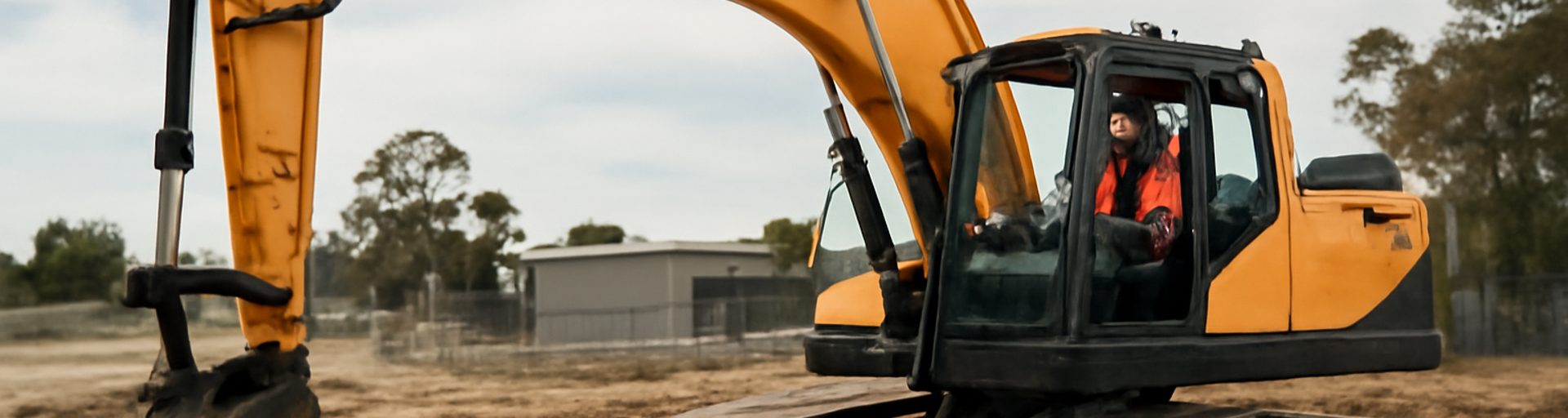
How does excavator finance work?
Excavator is almost always financed rather than bought outright, and the structure is straightforward: the lender advances the purchase price, takes security over the asset, and you repay it over a term matched to the working life of the machine. For companies, that usually means a chattel mortgage with a term of three to seven years, monthly repayments in arrears, and the option of a balloon payment at the end to keep cash flow comfortable.
Lenders assess three things. First the asset — make, model, age, hours or kilometres, and how easily it could be resold if things went wrong. Mainstream, well-maintained excavator attracts the sharpest pricing; specialised or very old units attract shorter terms and larger deposits. Second the borrower — time in business, ABN and GST registration, credit history, and whether the directors own property. Third the deal itself — dealer or private sale, deposit or trade-in, and whether on-road costs, attachments and delivery are being financed as well.
Established, property-backed companies can often be approved at low doc level with no deposit and no financials, sometimes within 24 hours. Newer businesses or private-sale purchases usually need a deposit of 10–20 per cent, bank statements, and a little more supporting detail. Getting the invoice, serial or VIN number and inspection details ready up front is the single biggest thing that speeds an approval up.
A Lonix broker compares lenders across our panel for excavator finance so the rate, term and balloon suit how the asset will actually earn.
Related questions
- Can I finance a used unit?
- Yes. Most lenders fund used assets, subject to age limits — commonly the asset must be under 10 to 15 years old at the end of the term.
- What term can I get?
- Typically three to seven years, matched to the working life of the asset and how long you intend to keep it.
- Do I need a deposit?
- Established, property-backed applicants often qualify for 100% finance. Newer businesses or private sales usually need 10–20%.
- Should I take a balloon payment?
- A balloon lowers the monthly repayment but increases total interest and leaves a lump sum due at the end. It suits assets you plan to trade or refinance.